

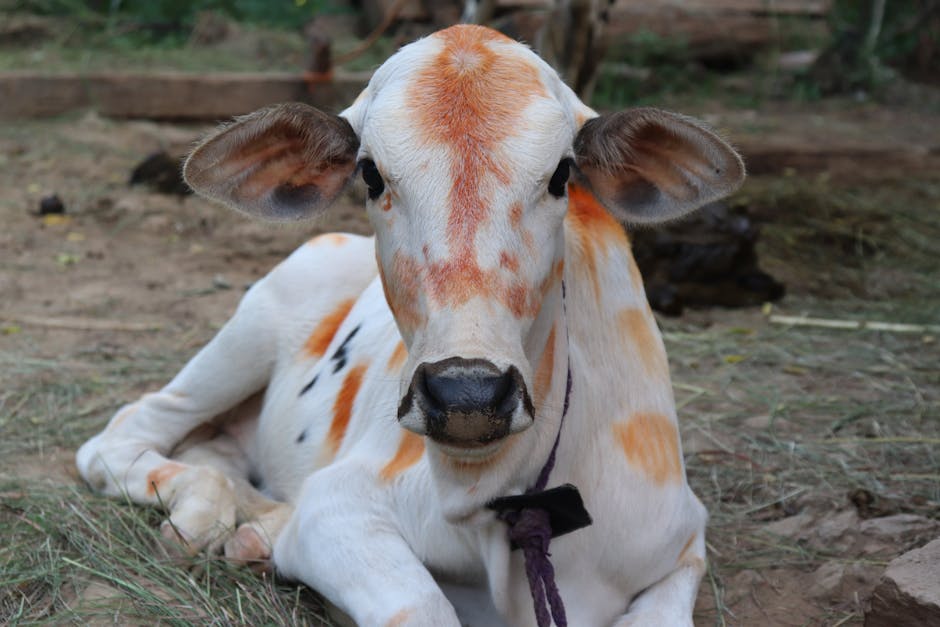
Photo by Rajja Shakeel on Pexels
Outbreak Alert: Lumpy Skin Disease Hits Himachal Pradesh
In the hills of Hamirpur district, Himachal Pradesh, dairy farmer Ram Lal recently noticed something alarming. His cows, usually lively and milking well, developed strange, hard bumps on their skin. Within days, four animals died, and dozens more fell ill. This isn't an isolated incident; reports confirm a lumpy skin disease (LSD) outbreak affecting cattle in the region, with over 40 animals infected. For smallholder dairy farmers like Ram Lal, who depend on a few cows for daily income, such outbreaks aren't just a health crisis, they're an economic emergency.
Lumpy skin disease, caused by a virus, spreads quickly and can devastate herds if not managed. While this outbreak is making headlines in Himachal, it's a reminder for dairy farmers across India to stay vigilant. Whether you're in the plains of Uttar Pradesh or the coasts of Kerala, understanding this disease is key to safeguarding your livestock and livelihood.
Understanding Lumpy Skin Disease: More Than Just Skin Deep
Lumpy skin disease is a viral infection that primarily affects cattle, including dairy breeds like Holstein-Friesian and Jersey, as well as indigenous varieties. The virus belongs to the Capripoxvirus family and is not harmful to humans, but it can severely impact animal health. Symptoms start with fever and reduced appetite, followed by the appearance of firm, nodular bumps on the skin, often around the head, neck, limbs, and udder. These nodules can grow to the size of a walnut, become necrotic, and lead to secondary infections.
Beyond the visible lumps, LSD causes a sharp drop in milk production, sometimes by 40-60%, due to pain and systemic illness. In severe cases, especially in young calves or animals with poor nutrition, it can be fatal. The disease isn't new to India; outbreaks have been reported in various states like Gujarat, Rajasthan, and Maharashtra, often during the monsoon season when insect vectors are active. For dairy farmers, the real danger lies in the ripple effect: sick cows mean less milk, higher vet bills, and potential spread to healthy herds.
How Does It Spread? Vectors, Movement, and Regional Risks
The lumpy skin disease virus spreads mainly through biting insects like mosquitoes, stable flies, and ticks, which act as vectors. It can also transmit via direct contact with infected animals or contaminated materials like feed troughs or milking equipment. In India, the risk heightens during warm, humid months, typically from July to October, because insect populations boom. Regions with high cattle density, such as dairy belts in Punjab, Haryana, and Gujarat, are particularly vulnerable if biosecurity lapses.
Geographical variations matter. While Himachal's outbreak highlights mountainous areas, the disease is more prevalent in lowland states where livestock movement for trade or grazing is common. For instance, in Rajasthan, nomadic herding practices can accelerate spread. Climate change is playing a role too; rising temperatures and erratic monsoons extend the active season for insects, making disease control a year-round challenge. Farmers near state borders or in mixed farming areas should be extra cautious, as animal mobility increases exposure risk.
Practical Steps Every Dairy Farmer Can Take
Prevention is your first line of defense, and it starts with simple, on-farm actions. While I won't specify drugs or treatments, here's what you can do at the husbandry level:
- Vaccination: Check with your local veterinary office about LSD vaccines. In India, government programs under initiatives like the National Animal Disease Control Programme (NADCP) sometimes offer subsidized vaccinations for diseases like foot-and-mouth, and LSD vaccines are becoming more available. Get your herd vaccinated annually, especially before monsoon.
- Biosecurity Basics: Isolate new animals for at least two weeks before introducing them to your herd. Keep your sheds clean; regularly remove manure and use disinfectants on surfaces. Limit visitor access to cattle areas.
- Insect Control: Use physical barriers like mosquito nets or screens in cattle sheds. Apply herbal or chemical repellents (consult your vet for safe options) to reduce bites. Maintain dry surroundings to deter fly breeding.
- Boost Immunity: Ensure your cows receive balanced nutrition with adequate vitamins and minerals, especially Vitamin E and selenium, which support immune health. Provide clean water and shade to reduce heat stress, which can weaken animals.
These steps not only help prevent LSD but also improve overall herd health, leading to better milk yields.
The Economic Angle: Protecting Your Milk Income
For Indian dairy farmers, cattle are more than animals; they're assets. An LSD outbreak can hit hard financially. Reduced milk production means lower daily earnings; for a farmer milking 5-10 cows, that could mean a loss of ₹500-₹1000 per day during illness. Veterinary treatment, if needed, adds costs, and in worst cases, animal mortality wipes out years of investment in breeding and care.
Government schemes can offer a safety net. The NADCP, launched to control livestock diseases, includes provisions for vaccination campaigns and diagnostic support. Farmers enrolled in dairy cooperatives, like those in Amul or local milk unions, may access subsidized vet services through cooperative networks. Additionally, insurance products under the Pradhan Mantri Fasal Bima Yojana or livestock insurance schemes can cover losses; check eligibility with your state's animal husbandry department. Remember, early action prevents bigger losses, so don't delay in seeking help.
When to Call the Vet: Recognizing the Red Flags
Your veterinarian is your best ally in disease management. Watch for these signs and contact a vet immediately if you notice them in your cattle:
- Fever above 104°F (40°C), accompanied by lethargy or loss of appetite.
- Small, hard nodules on the skin, especially around the eyes, teats, or legs.
- Sudden drop in milk output or difficulty in milking due to teat lumps.
- Swelling in limbs or reproductive organs, which can lead to lameness or infertility.
A vet can confirm diagnosis through clinical signs or lab tests and guide on supportive care. Avoid self-medicating or using home remedies, as this can worsen conditions or mask symptoms. In outbreaks like Himachal's, state veterinary authorities often step in with emergency response teams—report unusual cases to local officials to help contain spread.
By staying informed and proactive, you can keep your herd healthy and your dairy business thriving. Lumpy skin disease is a challenge, but with vigilance and the right practices, it's manageable. Reach out to your nearest veterinary hospital or dairy cooperative for more localized advice tailored to your region.


0 Comments